
Stephen Curry has spent nearly two decades making the extraordinary look routine. From impossible three-pointers to championship runs with the Golden State Warriors, the 38-year-old has built a career that few players could have imagined.
But as injuries increasingly interrupt his seasons, Curry is beginning to acknowledge something he has rarely needed to discuss publicly: the end of his NBA career may be getting closer.
In an interview with ESPN’s Anthony Slater, Curry admitted that his new two-year, $116 million contract extension with Golden State could be the final deal he signs as a professional basketball player.
“I assumed that it would probably be one of, if not the last, contract I signed. I’m not afraid to say it. But maybe I’ll surprise myself and want to keep going,” Curry said.
However the comment may seem, it reveals one thing, the four-time NBA champion is approaching the final stretch of his career. While he has not made a retirement decision, he is no longer pretending that playing indefinitely is a realistic possibility.
Curry’s deteriorating knee has changed his perspective
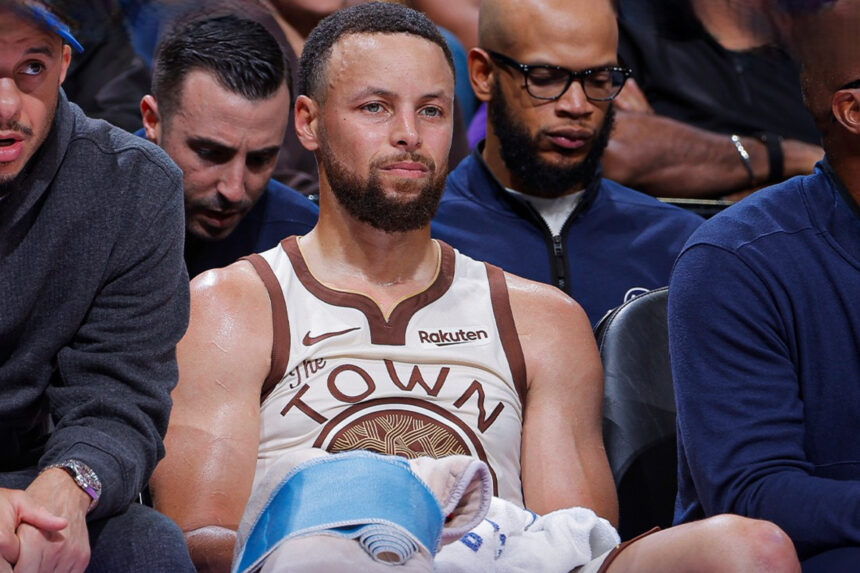
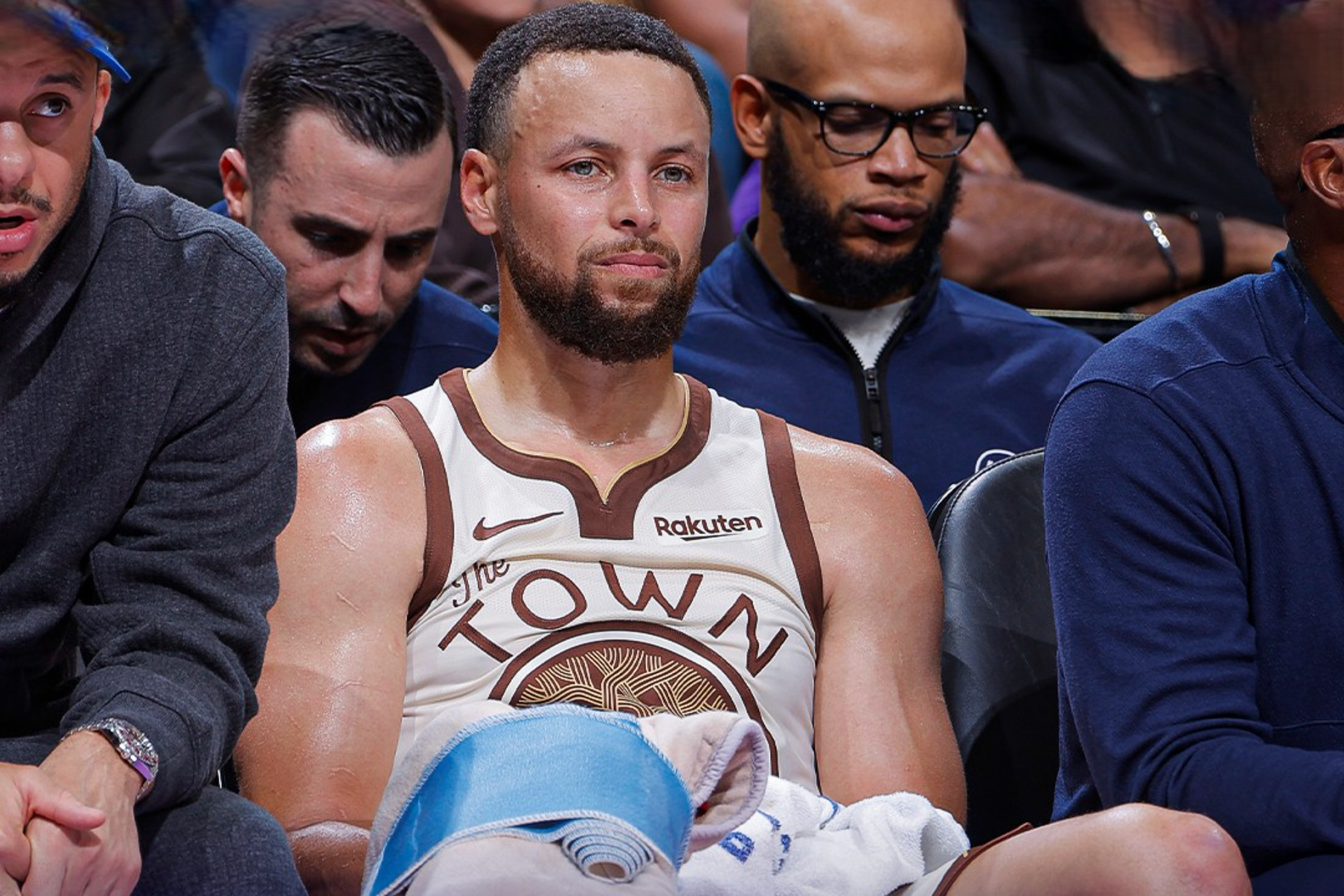
The biggest concern has been Curry’s right knee, which caused significant problems during the previous season.
According to Slater’s reporting, the issue began bothering Curry during a workout in Minneapolis in late January. The discomfort persisted, eventually forcing him to miss 27 games over 65 days.
Scans following a January 30 game against Detroit revealed no structural damage, and the Warriors diagnosed the problem as patellofemoral pain syndrome, commonly known as runner’s knee.
However, Curry later explained that a bone bruise had developed because of deteriorated cartilage in the knee. The cartilage issue placed pressure on parts of the joint that were not supposed to bear it, while limited blood flow slowed the healing process.
The prolonged recovery was particularly difficult for a player accustomed to pushing his body through demanding training sessions.
Curry eventually returned for six games between April 5 and April 17, but the knee problem had changed how he approached basketball. He described the situation as a “new normal,” suggesting that managing the condition could remain part of his career moving forward.
The concern has not disappeared this season either. Curry recently suffered an oblique tear against the Houston Rockets, with the Warriors preparing for an absence that could last close to a month.
For a player approaching the latter stages of his career, losing weeks to injuries carries a different weight.
“It sucks because it’s a part of your mortality,” Curry said. “Basketball mortality.”
The Warriors are already managing Curry differently
Golden State have had to adjust how they use their franchise superstar to preserve his availability.
Curry’s minutes are being kept around 28 per game, and the team is not clearing him to play both games of back-to-back sets. His training has also changed, with greater emphasis on recovery and less physical strain.
That represents a notable shift for someone whose career has been built on relentless movement, conditioning and shooting repetition.
Warriors coach Steve Kerr explained that Curry is spending more time off his feet and using alternatives such as cycling and underwater treadmill work to maintain his fitness without placing excessive pressure on his knees and ankles.
The changes are not necessarily a sign that Curry can no longer perform at an elite level. In fact, he has continued to produce remarkable scoring performances when healthy.
He scored 41 points against the Orlando Magic during the recent stretch covered in Slater’s report, surpassing Michael Jordan and LeBron James for the most 40-point games by a player aged 35 or older.
But the Warriors understand that keeping him available may now be just as important as maximizing his minutes.
“If we want to be any semblance of a threat come the end of the year, I need to be available,” Curry said.
Curry is willing to sacrifice his role to keep winning
His comments about a possible final contract also reveal a willingness to accept changes that might once have been difficult for a superstar of his stature.
Curry agreed to a two-year, $116 million extension, reportedly giving Golden State approximately $10 million in additional salary-cap flexibility next summer. He could have pursued a larger deal, but the agreement gives the franchise greater room to build around him.
The contract includes a player option for its final season and could keep him in Golden State through the 2028-29 campaign, potentially completing 20 seasons with the same franchise.
More interestingly, Curry says he would not have a problem taking on a smaller role if his abilities eventually declined.
“It would not kill my ego,” he said. “I want to win. Whatever that means, you make decisions based on what’s in front of you.”
That is a significant admission from a player who has spent much of his career as the center piece of Golden State’s championship ambitions.
Curry still believes he can lead a championship contender, but he appears increasingly conscious that the circumstances around him could change.
Retirement is not imminent, but Curry wants to appreciate the present
Despite acknowledging that his current extension could be his last, Curry has not indicated that retirement is around the corner.
Slater reported that the Warriors guard made clear there would not be an immediate retirement decision. He remains motivated to compete and has not ruled out playing beyond his current agreement.
Watching his father, Dell Curry, approach the end of his own playing career has also influenced how he views this stage of his journey.
Rather than becoming consumed by what comes next, Curry wants to appreciate the opportunities he still has.
“I want to appreciate what’s happening right now because I don’t want to just go through the motions,” he said. “Then, it passes you by.”
For Warriors supporters, those words may carry a bittersweet feeling. Curry is still capable of producing the moments that made him one of the most influential players in basketball history, but the physical challenges are becoming harder to ignore.