

Round 10 of the English Premier League has brought yet another refereeing decision under scrutiny. Sunderland was awarded a first-half penalty against Chelsea in their Sunday encounter, reviving questions about the consistency of match officials and effectiveness of VAR.
Enzo Le Fée, the Sunderland attacker, converted from the spot in the 36th minute after Chelsea defender Levi Colwill was penalized from bringing down Sunderland striker Brian Brobbey inside the penalty area.
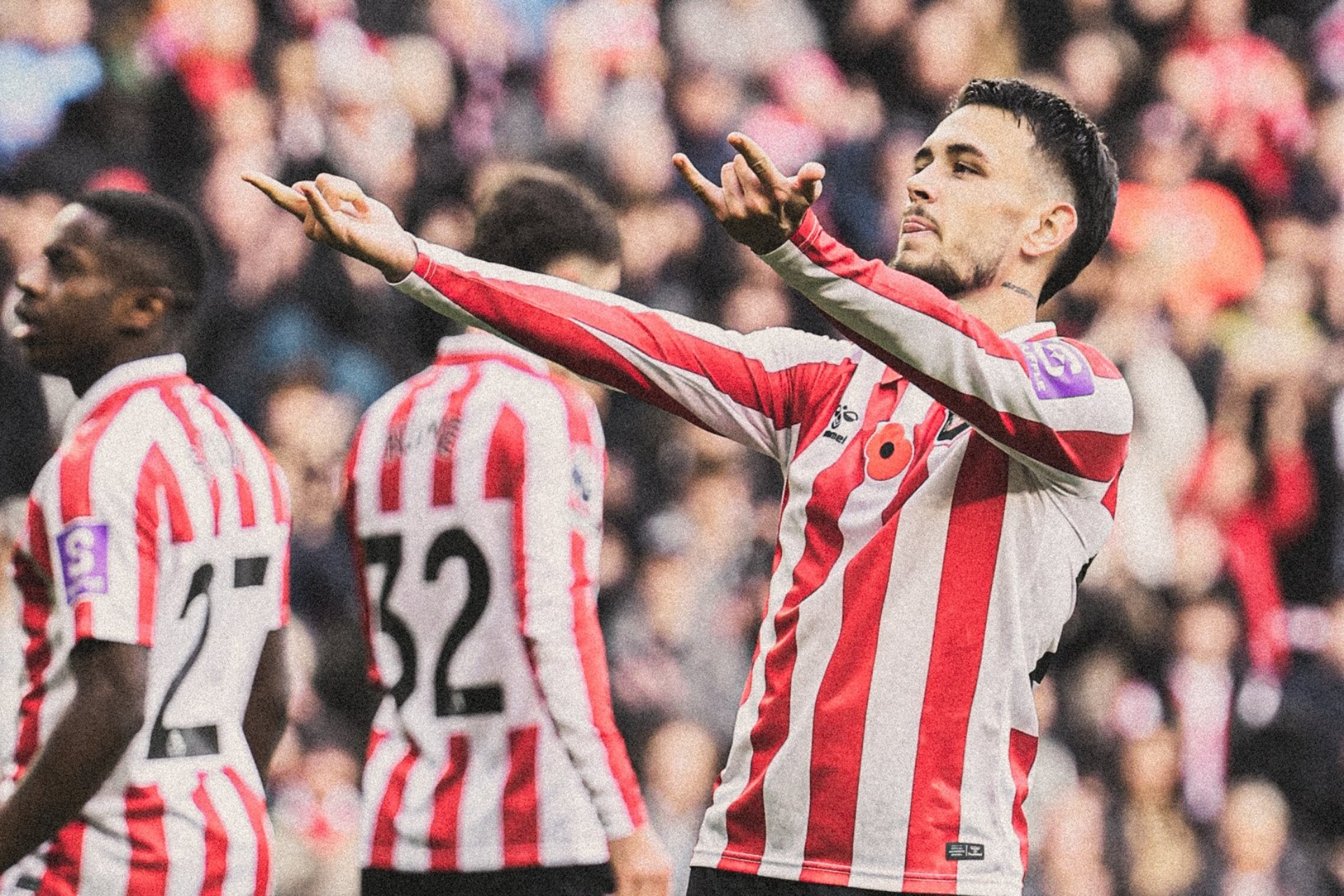
That decision attracted various reaction on the social media, but at the moment, yet to receive an official assessment from the Premier League’s Key Match Incidents (KMI) Panel, nor the PGMOL. Therefore, it would be too early to call it another refereeing error, until confirmed.
🚨 JUST IN: Brian Brobbey appears to trip OVER HIS OWN LEGS for Sunderland’s penalty
Cole Palmer FAILED to win a penalty after a VAR check earlier in the match
— Polymarket FC (@PolymarketFC) November 8, 2026
However, the incident comes amid a series of controversial officiating decisions in the 2026/27 Premier League season, several of which have been acknowledged as incorrect after review by the KMI Panel or by PGMOL.
One of the most notable incidents this season occurred during the Manchester derby in September, when Manchester City’s Erling Haaland scored the winning goal against Manchester United despite Manchester City midfielder Enzo Fernandez being in an offside position.
Although Haaland himself was onside, Fernandez attempted to play the ball, interfering with the Manchester United’s goalkeeper’s awareness.
The Premier League’s independent review board, the KMI Panel ruled that the goal should have been disallowed, closing the argument about Fernandez’s movement affecting the defenders and goalkeeper’s reaction to the ball.
Pro Ref chief refereeing officer Howard Webb also acknowledged the mistake, explaining that VAR had become too focused on Haaland’s position and failed to properly assess Fernandez’s involvement.
Webb described the situation as “tunnel vision’, while Pro Ref confirmed that it had contacted Manchester United to acknowledge the error.
A host of other incidence that have happened, a lot of matches that could have gone differently if the officiating decisions had been gotten right.
All of these incidents revives the concerns about the relationship between on-field referees and VAR, particularly when decisions are later acknowledged as incorrect.
The VAR was introduced to reduce significant officiating errors and improve decision-making in crucial moments. However, the continued rise of controversial decisions, followed by acknowledgements, raises concerns about whether the system is delivering the consistency advertised.
Refereeing mistakes are an unavoidable part of football, but the growing frustration among clubs, players, and supporters is centered on the aftermath of those mistakes and the limitations of the technology acclaimed to be the savior.
Sunderland’s controversial penalty against Chelsea now likely to attract further scrutiny.
Until then, the question remains: how much confidence can Premier League clubs and supporters place in a refereeing system that continues to admit its mistakes after match results.