

Look, I’ve been following African football for years, and what Cape Verde has done since that AFCON 2023 run isn’t just a fluke—it’s the result of real graft that most big nations overlook.
Back then, they shocked Ghana early, went unbeaten in the group, and reached the quarters.
It wasn’t pretty every time; they rode their luck in penalties against South Africa but showed they could scrap with anyone. That tournament lit the fuse.
Fast forward through the qualifiers and into 2025-26. They topped their CAF group, beating Cameroon away, grinding out results against Libya, and hammering weaker sides like Eswatini 3-0 to seal qualification.
No superstars, just a tight unit under Bubista. Players scattered across Portugal, MLS, Cyprus—guys who know European intensity but play with island hunger.
By the time the 2026 World Cup kicked off, this squad wasn’t arriving as tourists. In the group stage, they proved it. Three draws, including a gutsy 0-0 against Spain that had everyone talking.
They held Uruguay too, nicked a point off Saudi Arabia, and finished second in the group as the smallest nation ever to reach the knockout rounds. Unbeaten. Clean sheets against real quality. Vozinha in goal becoming a hero. That’s not luck—that’s organization, fitness, and belief forged from years of being underestimated.
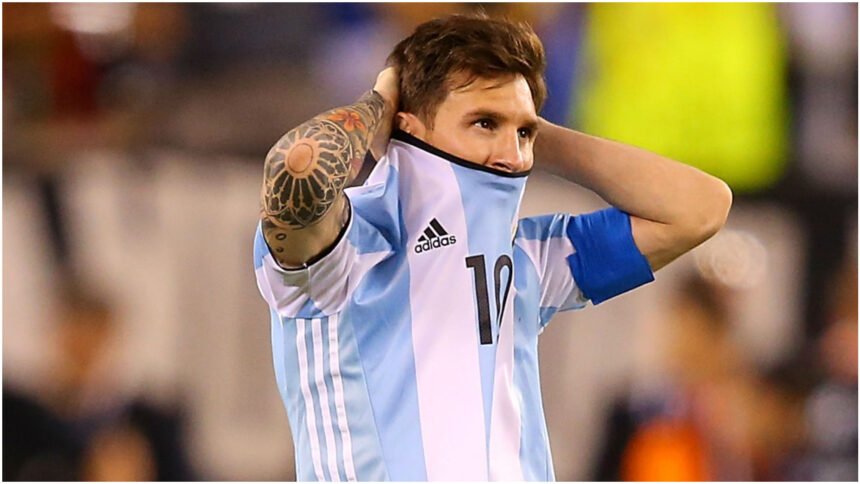
Now they’re facing Argentina in the Round of 32. On paper, it’s madness. Messi chasing a second World Cup, defending champions with depth and pedigree.
But here’s the thing I’ve seen watching these smaller sides rise: momentum and setup can bite even the giants.
1. Defensive steel that’s battle-tested
Since AFCON ’23, Cape Verde rarely get blown out. They park the bus intelligently, press in waves, and use the flanks. Spain couldn’t break them. Argentina will have the ball, sure, but turning possession into clear chances against this backline? Tougher than it looks.
2. No fear factor
These lads grew up on islands where football is joy mixed with survival. They’ve beaten bigger African sides, held European champions.
Playing Messi in Miami? It’s a party for them, not pressure. I’ve seen it—teams like this play looser when expectations are zero.
3. Physical edge and squad cohesion
Qualifiers showed they can rotate without dropping levels. High work rate, good recovery between games.
Argentina’s stars have club miles on the clock. In knockout heat, that extra freshness and “one for all” mentality matters. Cape Verde’s group was tight; they celebrate like brothers.
4: Tactical discipline under Bubista
He’s built something pragmatic but with bite—counter-attacks through quick transitions, set-pieces as weapons.
They don’t need to dominate; they absorb and punish. Remember their AFCON wins: late goals, organization winning out over talent on the day.
🇨🇻🇦🇷 “ES UN ORGULLO ENFRENTAR A ARGENTINA, UN PAÍS CON EL QUE TENEMOS UNA CONEXIÓN ANTIGUA”
👤 Bubista, entrenador de Cabo Verde, habló sobre el partido de 16avos de final ante la Selección Argentina:
“Estamos orgullosos de lo que ya hicimos hasta aquí. Una vez más demostramos… pic.twitter.com/B7ZogD0BmW
— dataref (@dataref_ar) June 29, 2026
5. The “why not us” factor
Qualifying unbeaten in tough groups, making history at this World Cup—it’s snowballing.
Fans back home, diaspora energy, even neutral support. Football loves a story. One moment of magic, a red card, or Messi having an off night (he’s human, even at his level), and chaos happens. Morocco ’22 vibes.
6. Argentina’s potential complacency
Big teams sometimes sleepwalk into these. Scaloni’s warned them, but history shows favorites slip. Cape Verde has nothing to lose and everything to gain. They’ve already shattered ceilings.